

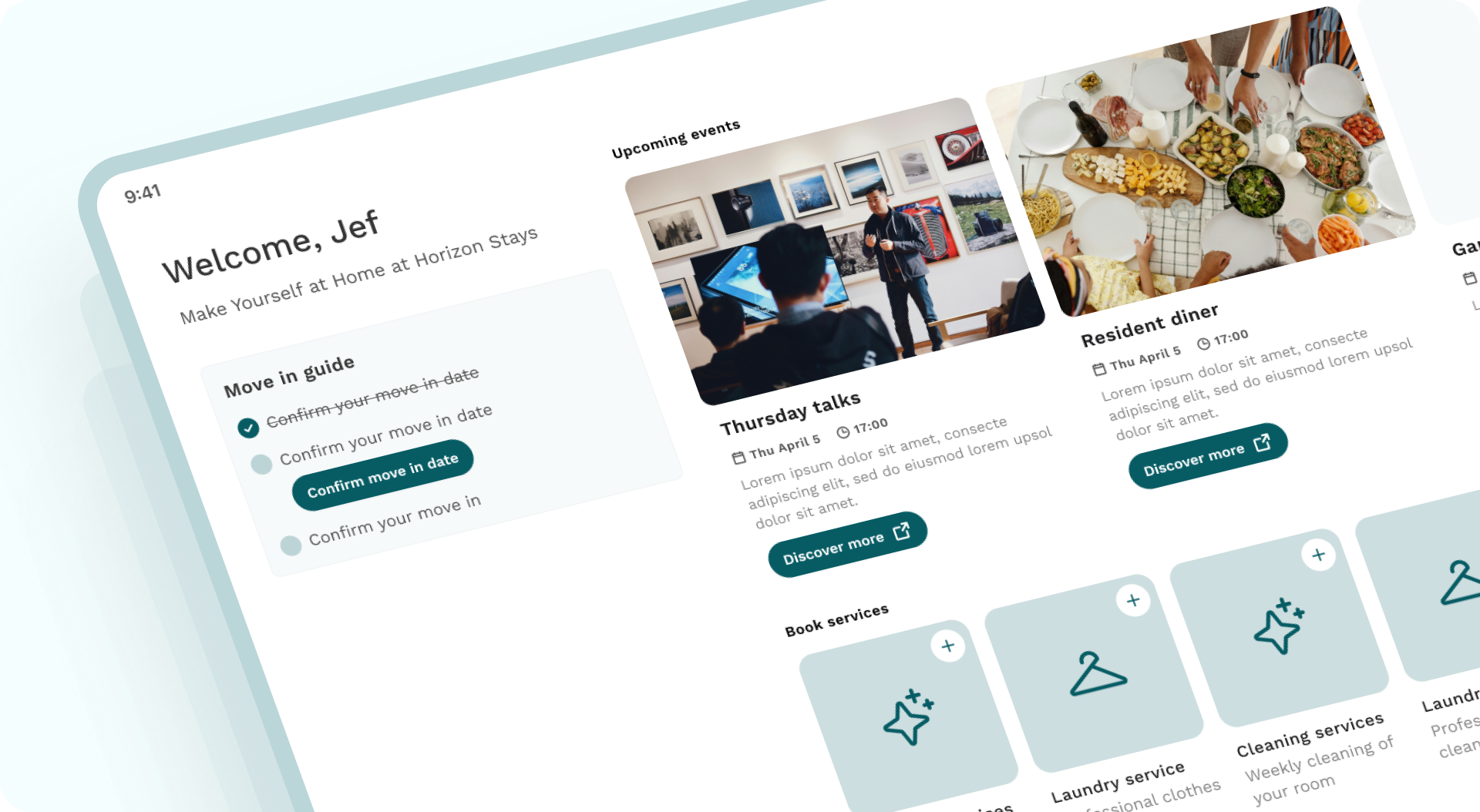
Powerhouse offers property management for landlords with 500 to 1,000 tenants. We built them a powerful mobile application where tenants can handle everything in one place: payments, communication, service requests and access. But there’s more: the application transforms how Powerhouse operates internally and how they position themselves in the market.
Not just an app, but a real gamechanger for users and the business alike.
extending Salesforce without friction
Powerhouse runs entirely on Salesforce as its core system. All their data, logic and customer information lives there. But Salesforce has its limits. Things like a user-friendly tenant portal, mobile access and direct communication with tenants? Simply not possible within the platform.
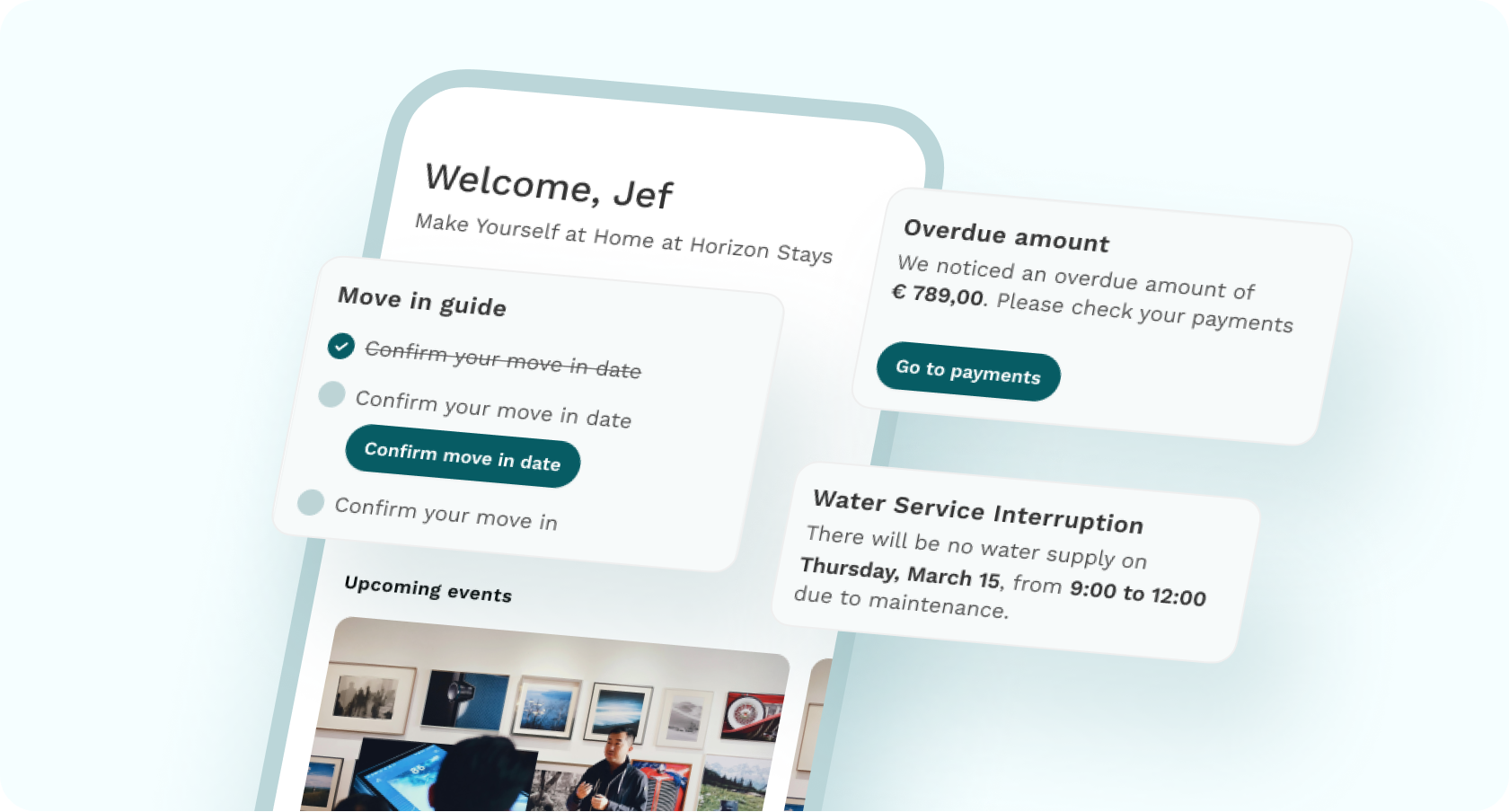
The need was clear: a mobile application that uses Salesforce as its data source, but extends the functionality where the platform falls short. From payments to communication, from service requests to access control. Everything reachable in just a few taps.
You guessed it: technically sophisticated on the inside, but incredibly user-friendly and simple on the outside.
a tenant-facing app and internal automation in one
An application of this caliber goes way beyond a sleek design and a few handy buttons. It’s about smart technology and a deep understanding of what both tenants and property managers actually need.
Salesforce as the foundation, the app as the extension.
The application connects directly with Salesforce. When tenants log in, they’re automatically linked to the right landlord and the right building, and they see exactly the information that’s relevant to them.
But it doesn’t stop at pulling data. Customer support flows through the app straight into Salesforce: tenants report issues or questions directly in the application, and those come in as structured tickets at the landlord’s end in Salesforce. No stray emails, no lost tickets. A tight tenant portal at the front, internal automation at the back.
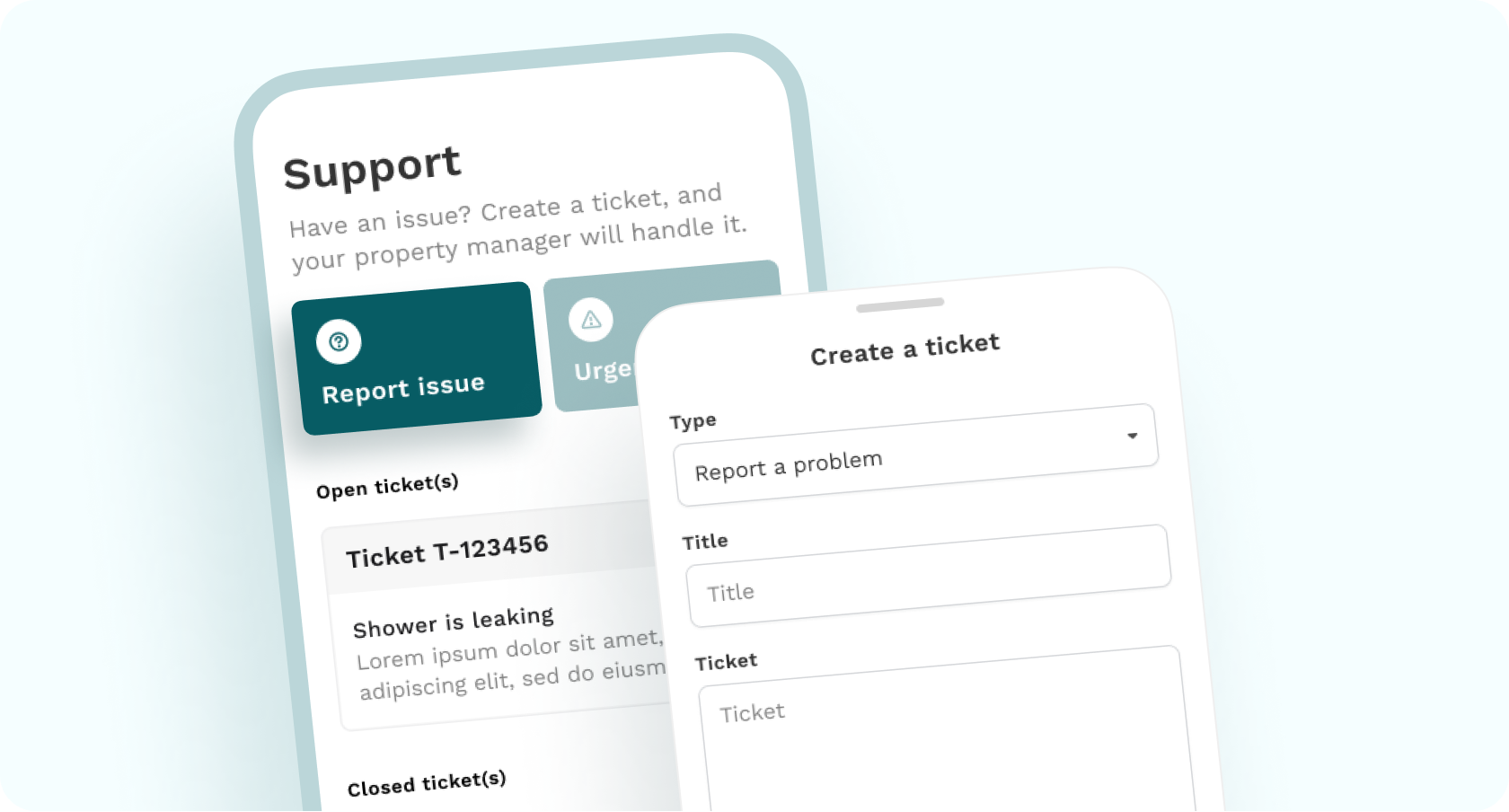
What the application does:
the Salesforce integration
We like a good challenge. The core of everything: building a deep, bidirectional integration with Salesforce that works in real-time, scales effortlessly and runs flawlessly for hundreds of tenants simultaneously.
In practice, that means: the app pulls data from Salesforce, but also pushes data back. A service request submitted by a tenant? It lands as a structured ticket in Salesforce. A status update by the landlord? It appears instantly in the app.
On top of that, push notifications needed to be triggered from Salesforce. At the individual, group and building level. And the Salto integration for access control added another layer of complexity, with security as the top priority.
In short: Salesforce is the brain, the app is the interface. We built the bridge between them.
building together, staying on the ball
Throughout the entire project, there was an intensive, pragmatic collaboration with Powerhouse. With that typical we are flair: strong attention to detail, solid technical reasoning, transparent communication about choices, risks and dependencies. And always that extra 5%.
But first...
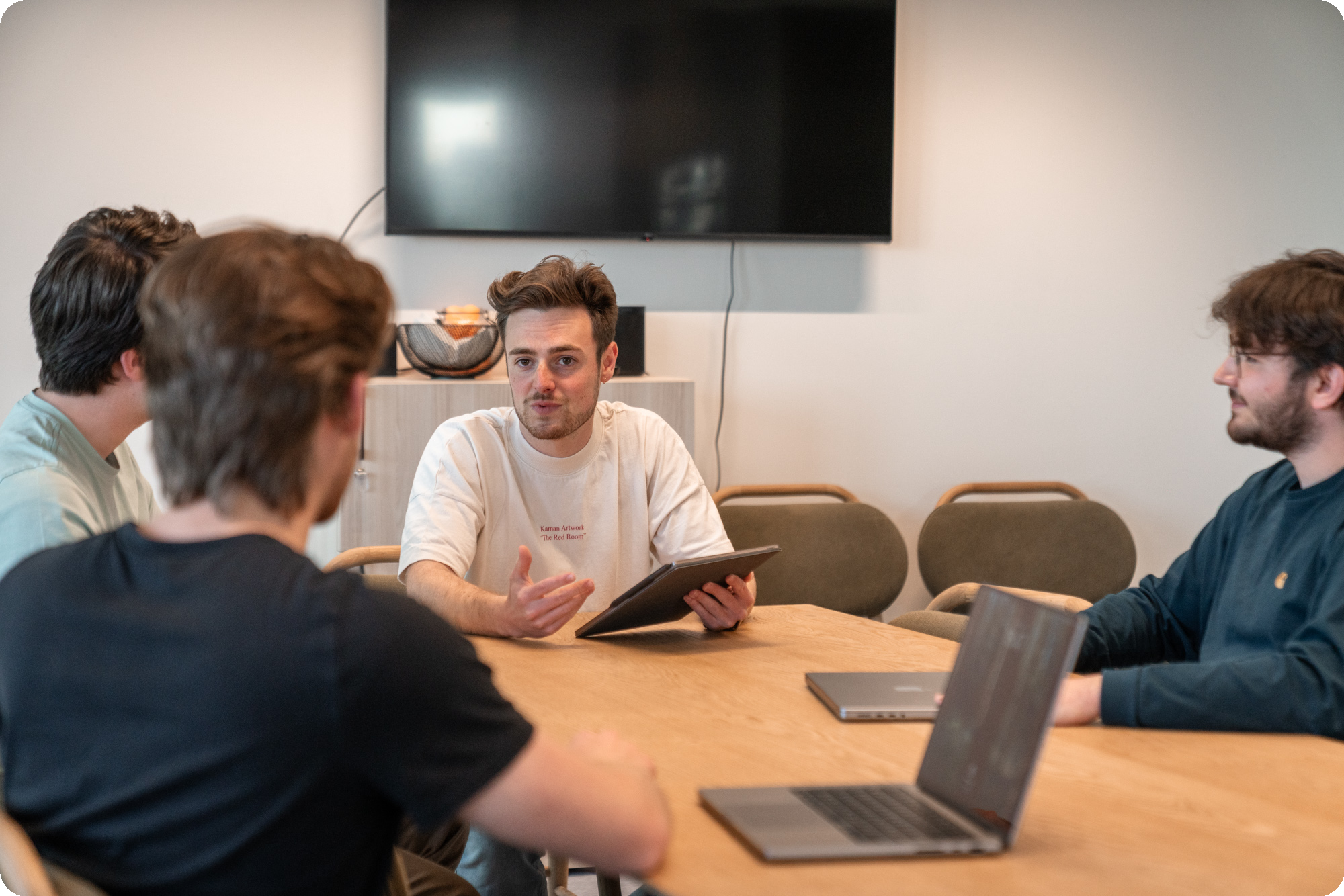
We kicked things off with a workshop and thorough alignment sessions where we mapped out exactly what the end user needs alongside Powerhouse. From there, we crafted clear designs that went straight into development after sign-off.
Test, test, test
Through user acceptance testing, landlords got the chance to try the app themselves. Meanwhile, we collected all feedback and fine-tuned the application to the needs of the end users.
By working in short iterative cycles, we could loop back with Powerhouse immediately and adjust fast. Every iteration prevents costly missteps down the road. Or in our words: less wasted money, more created value.
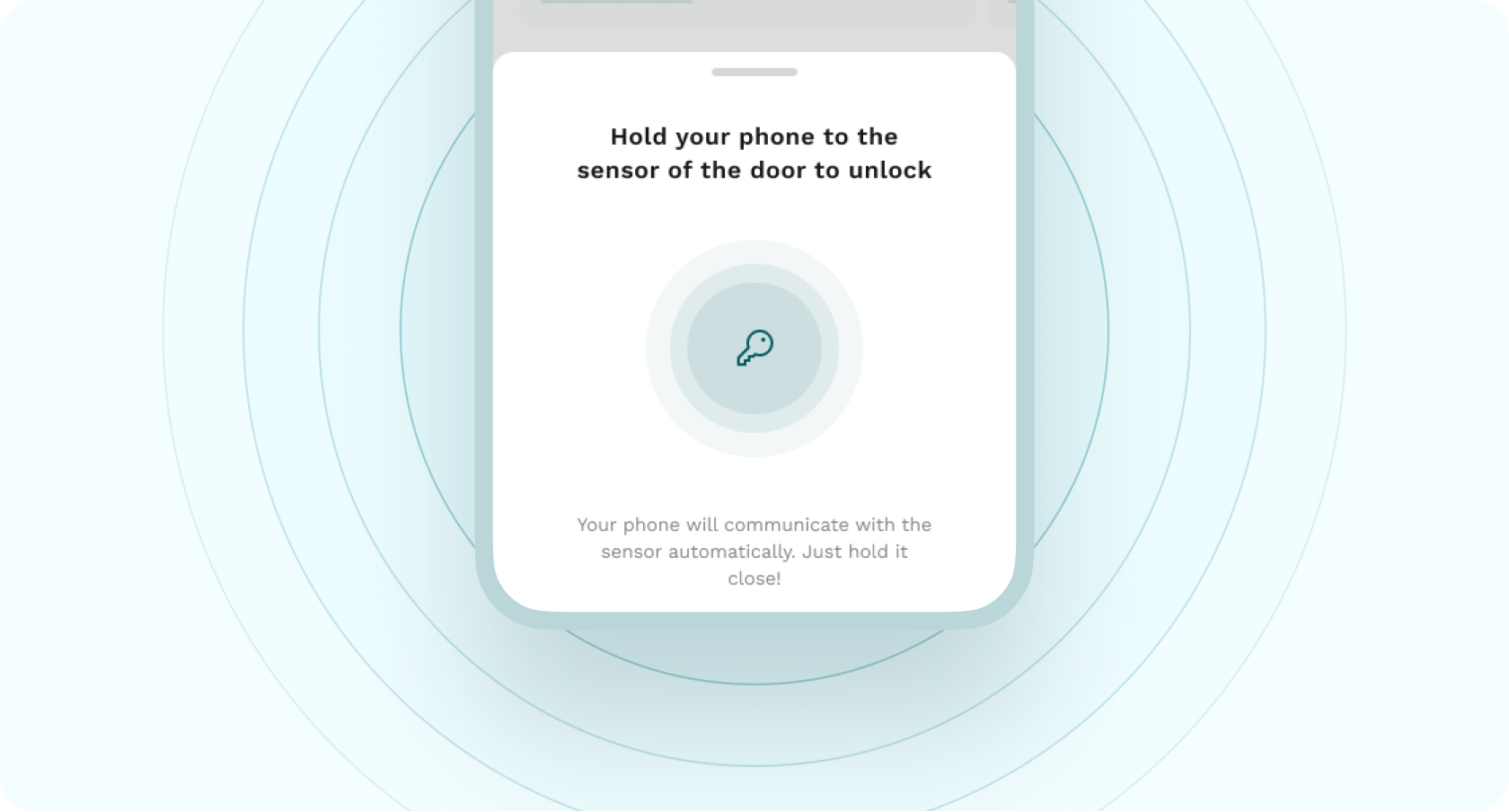
The end result is a high-quality digital product: an all-round application for tenants and landlords alike. Always at your fingertips, in just a few taps.
But the real impact runs deeper. Powerhouse now has a scalable tenant portal running on top of Salesforce, without having to replace their core system. Internal processes are automated: from service requests to communication, from access control to billing insights.
With this application:


.png)


