

Our insights
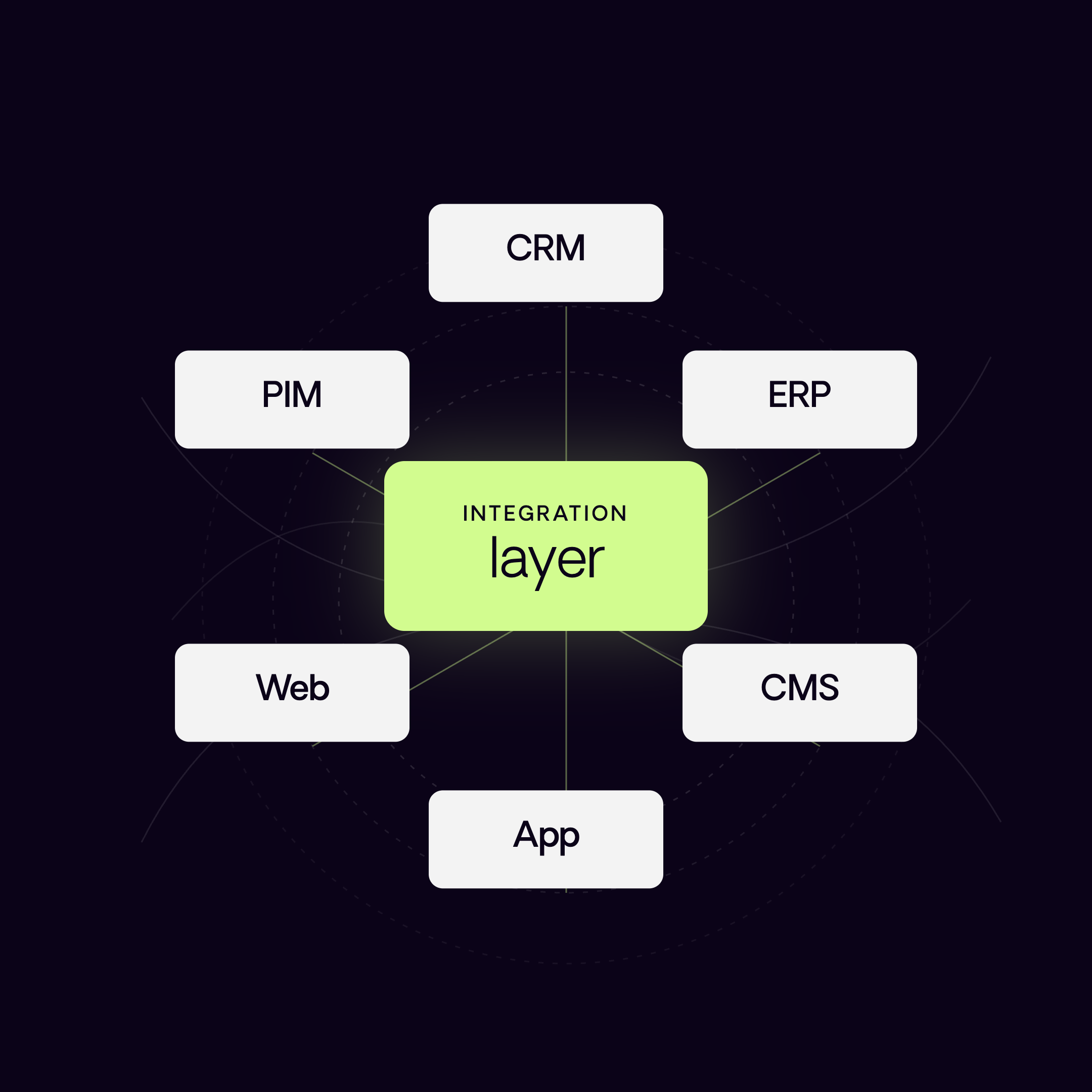
The integration layer: connect your systems and pave the way to AI
Point-to-point connections between your systems quickly become a tangle. Read how an integration layer organises your data, keeps you agile and gets you ready for AI.
.png)
Our multi-agent workflow: how it makes us better and faster
Getting software delivered faster, without quality taking the hit. That's the expectation businesses have today, and it's a completely fair one. AI makes it more possible than ever, and the way it works is genuinely worth understanding.
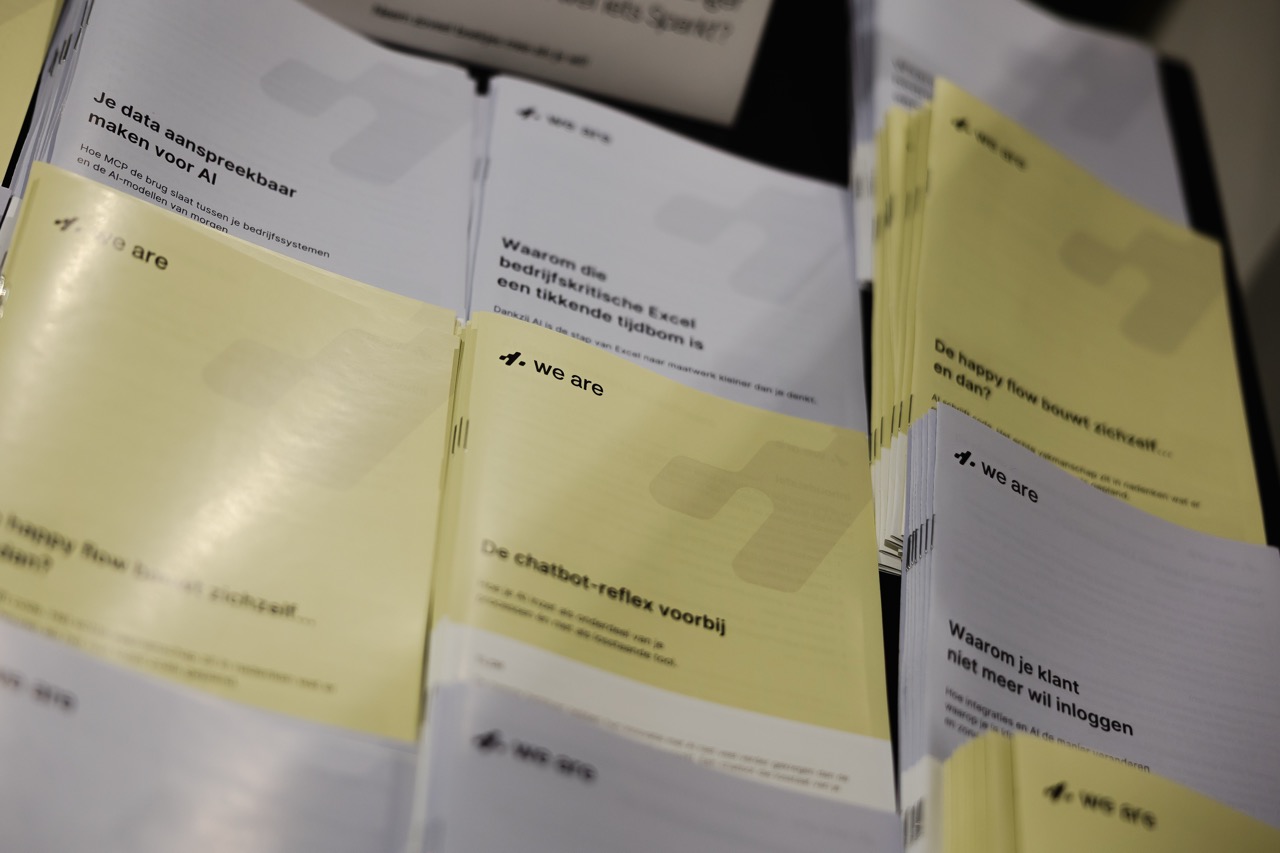
Why that critical spreadsheet is a ticking time bomb
That business-critical spreadsheet was once the best option. But AI has fundamentally changed the step toward custom software. Faster, more affordable, and future-proof.

Why your customer no longer wants to log in to your portal
Classic customer portals are barely used. The future is frictionless and proactive: data that comes to your client, instead of a login standing in the way.

Integrating AI into your software: beyond the hype, toward real impact
The coming years will reveal which companies manage to translate AI into a structural competitive advantage. And which ones are left behind with a chatbot sitting in the corner of their website. The biggest ROI is often found in back-office processes where a lot of manual time is lost today.
AI is reshaping the software market in 2026. Is your business ready?
For years, the software world had one rule: whoever had the biggest team, won. Large consultancies ran on volume, brand recognition, and big budgets. That model worked. Until AI made it obsolete. Because when everyone can deliver a lot of work with AI, volume stops being a differentiator. What matters now: expertise. The ability to think along. A partner that challenges your assumptions and knows how to build for the future.

Opinion: We don't want to log in anymore
Companies have never collected as much information about us as they do today. Yet their systems behave as if we're complete strangers. It can be different.

Custom software or existing platform: what’s the smartest for your business?
Buy or build? AI has shifted that equation. Custom software is faster and more affordable than ever. The smartest choice: buy what's generic, build what makes you unique.
.png)
In-house developer vs external partner: what’s right for your organisation?
Hire an in-house developer or team up with an external partner? Both options have their strengths. The smartest choice depends on your speed, complexity, and scale.
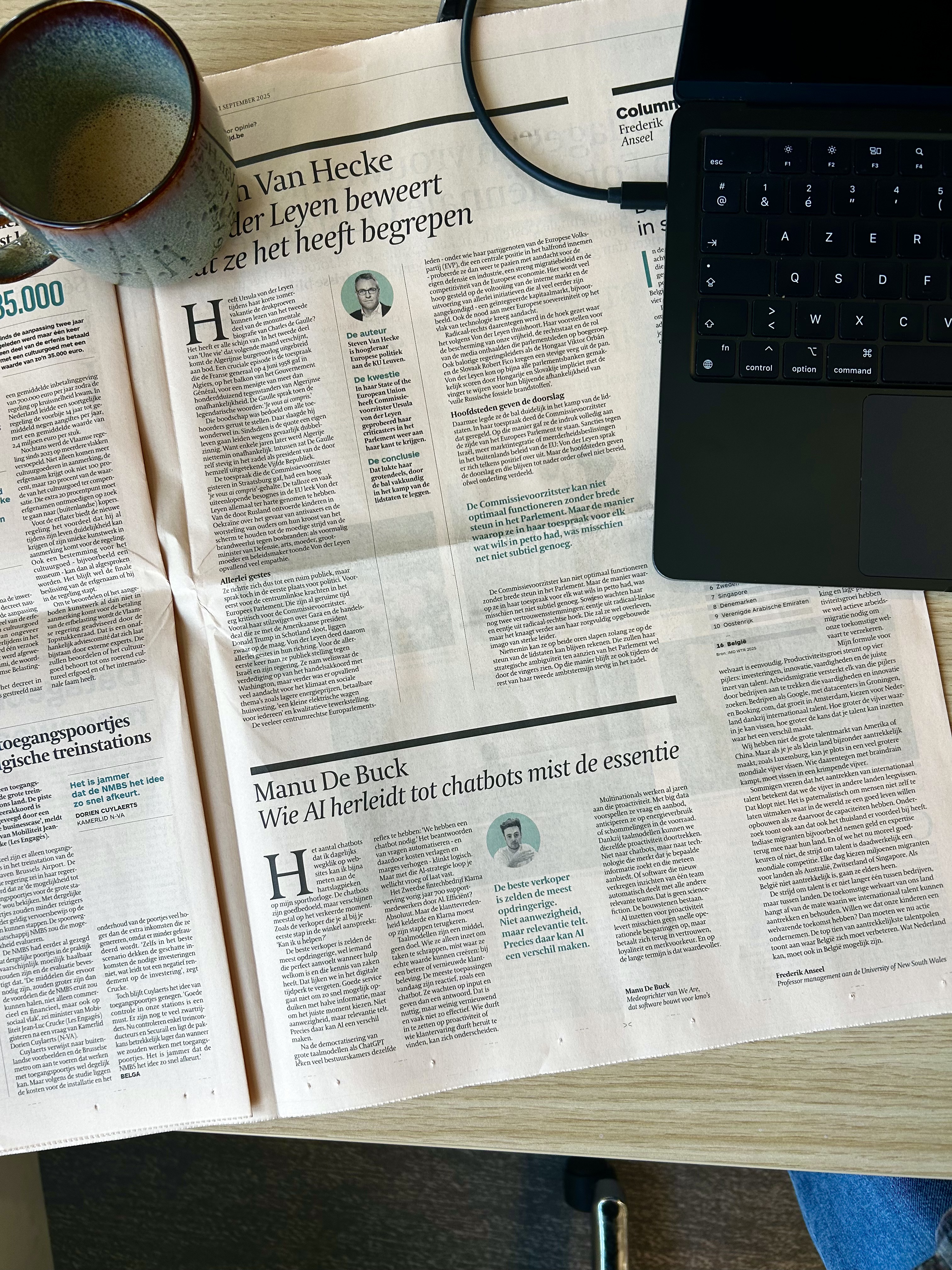
Opinion piece: Those who reduce AI to chatbots are missing the essence.
AI is everywhere. It writes emails. Summarises meetings. It powers that chatbot in the corner of your screen.But is that really all there is to it?In a recent opinion piece in De Tijd, co-founder Manu De Buck shares his opinion on the use of AI. His point is clear: AI is being misused. Not because it’s bad tech. But because we treat it like a shiny toy.
.png)
We are in 'De Tijd': Testing our software at Tomorrowland was a milestone.
This article was part of the Jong Geweld section, in which De Tijd focuses on sharing news about starting and growing companies while putting promising entrepreneurs in the spotlight. This time, it featured Manu De Buck, co-founder of we are.

What is the difference between a PoC and an MVP?
You’ve probably heard the terms PoC, MVP, and Scaling before. They’re often confused, but there’s a big difference. Let's explain them with a simple analogy.

Why our company is called we are
When we are was founded, it was with a specific goal in mind. We noticed that many (though certainly not all) agencies operate as external parties. What we missed was close collaboration—truly embracing the 'we are in this together' mentality.

The lean way of developing software
At we are, we develop our software in a lean way. But what does lean even mean? In this blog post, you learn what lean actually is, where it comes from, how we apply lean principles at we are and what the benefits are of developing software in a lean way.